Sound Bath Class 101: The Science, Benefits, and What to Expect in 2026
Mar 15, 2026
Discover how a sound bath regulates your nervous system and how to find a safe, transformative experience.
What is a Sound Bath Class? Beyond the "Zen" Buzzwords
A sound bath class—often called a sound meditation session by practitioners—is a full-body meditative experience where you are "bathed" in acoustic or electronic sound waves. It’s a chance to unplug, lie down, and let resonant frequencies wash over you, recalibrating your mind and body.
-
Unlike a concert, the focus is on frequency, resonance, and vibration rather than melody or rhythm. The goal is to create an immersive acoustic environment for healing.
-
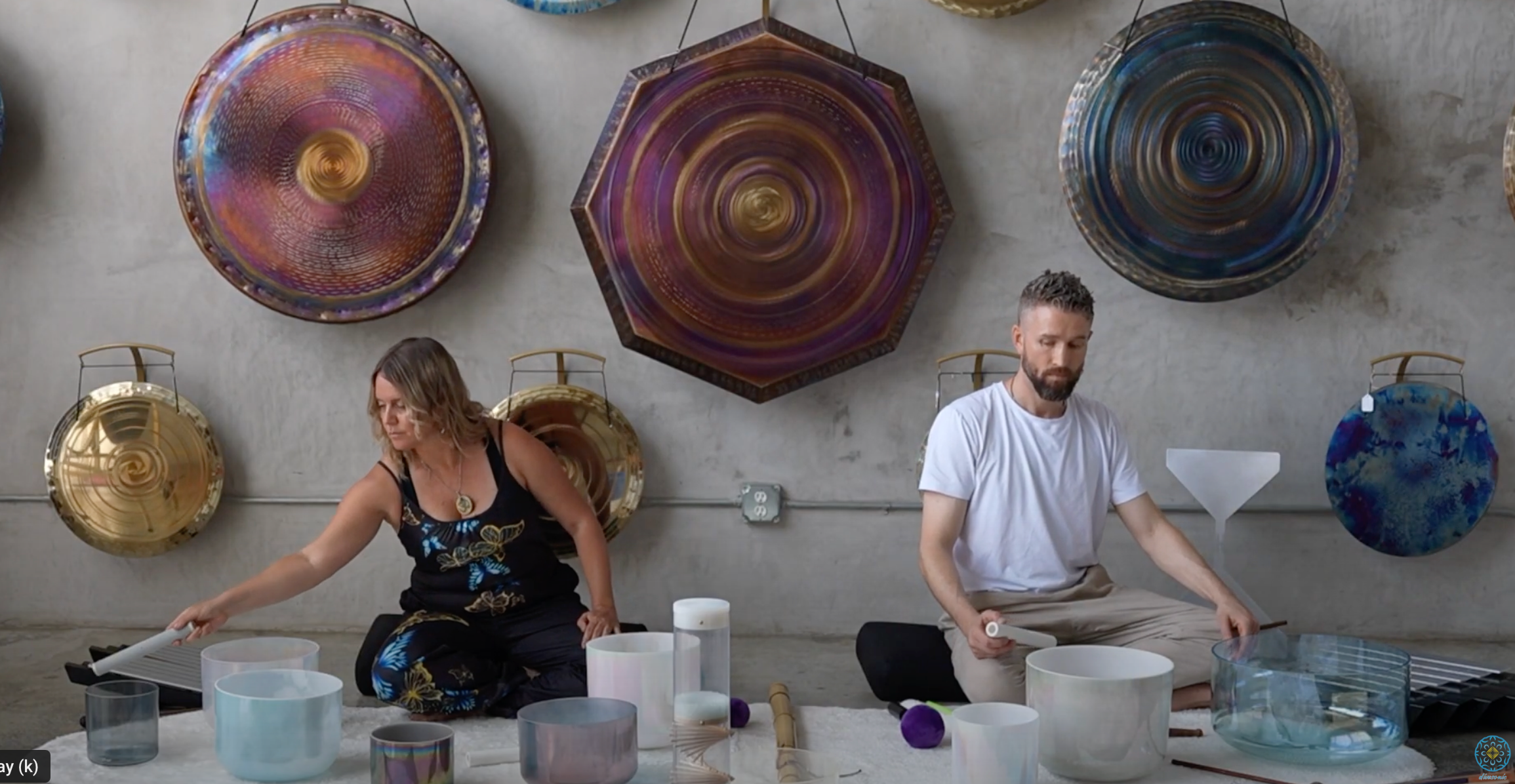
Core instruments typically include crystal singing bowls, himalayan bowls, gongs, chimes, flutes, handpans, synthesizers and sometimes the human voice among other instruments.
-
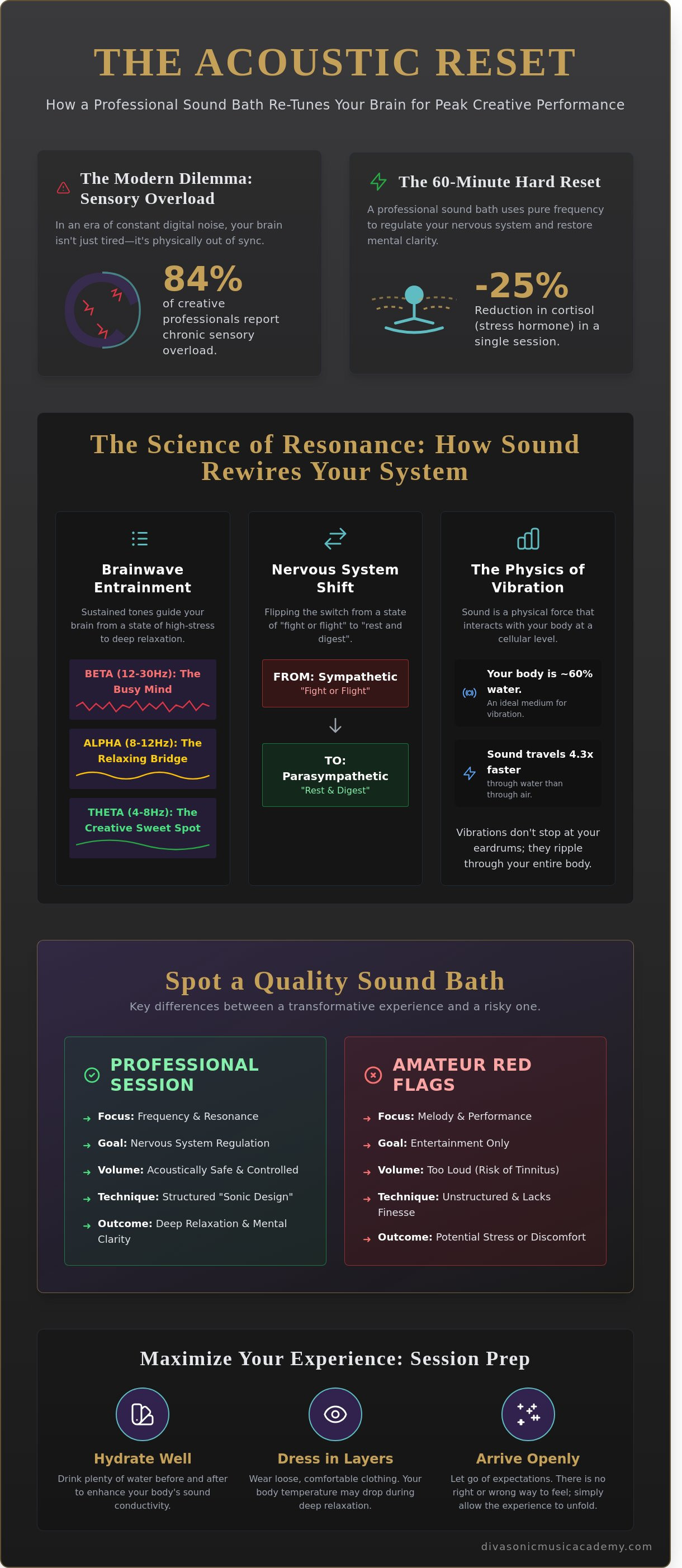
The ultimate goal is to shift your nervous system from a state of "fight or flight" (sympathetic) to "rest and digest" (parasympathetic).
The "Bath" Concept: No Water Required
The term "bath" is a metaphor for the physical sensation of being surrounded and saturated by sound. Sound waves are vibrations that travel through the air and interact with every cell in your body, which is largely composed of water. This is the difference between passively listening to music and actively "soaking" in a therapeutic frequency—the vibrations are felt as much as they are heard.
A Brief History of Sound as Medicine
Using sound for healing is not a new trend. Its roots trace back thousands of years to ancient Tibetan, Vedic, and indigenous traditions that used chanting, gongs, and bowls to facilitate meditative states. As 21st-century technology has allowed us to measure brainwaves and nervous system responses, we've begun to validate the profound physiological effects of these ancient practices. In essence, sound healing is the bridge between ancient wisdom and modern physics.
The Science of Resonance: How Frequencies Calm Your Nervous System
A professionally designed sound bath isn't just a random collection of pleasant noises; it's a precise application of acoustic science aimed at regulating your nervous system. Here’s how it works:
-
Brainwave Entrainment: The frequencies produced by instruments like singing bowls can gently guide your brain out of an active Beta state (alert, focused, stressed) and into the slower, more restorative brainwave states of Alpha (relaxed), Theta (deeply meditative), and even Delta (sleep).
-
The Vagus Nerve: As the body’s primary relaxation highway, the vagus nerve responds to low-frequency vibrations. The resonance from gongs and bowls can stimulate this nerve, signaling your body that it's safe to relax.
-
Sympathetic vs. Parasympathetic Activation: Chronic stress keeps us stuck in the sympathetic "fight or flight" mode. A sound bath acts as a "reboot" for your adrenal system, activating the parasympathetic "rest and digest" response.
-
Scientific Benefits: Studies have shown that sound meditation can lead to reduced cortisol levels, improved sleep quality, and lower blood pressure.
Brainwave Entrainment and Altered States
Entrainment is a principle of physics where two oscillating bodies lock into a shared rhythm. In a sound bath, your brainwaves are one of those bodies, and the instruments are the other. The steady, harmonic frequencies from the bowls and gongs provide a stable signal for your brain to follow, making it easier to access deep meditative states than with silence alone. This is why 20 minutes of intentional sound can feel as restorative as a few hours of deep sleep.
The Role of the Vagus Nerve
Have you ever felt the deep rumble of a bass note in your chest? That physical sensation is key to sound healing. The vibrations from gongs and bowls create a subtle internal massage for your organs and stimulate the vagus nerve, which runs from your brainstem through your neck, chest, and abdomen. Activating this nerve triggers a cascade of calming signals throughout your body, often leading to a profound sense of peace and sometimes a spontaneous emotional release.
Professional vs. Amateur: How to Spot a Quality Sound Bath
The rise in popularity of sound baths means a wide range in quality. A poorly run session can feel stressful, jarring, or simply ineffective, which is a common fear for first-timers. The difference lies in the practitioner's approach: are they a "performer" playing at you, or a certified Sound Meditation Designer holding intentional space for you?
| Professional Practitioner | Amateur / Performer |
|---|---|
| Designs a session with a clear therapeutic arc. | Plays instruments without a clear structure. |
| Manages volume dynamically for sensory safety. | Plays gongs too loud or bowls too close to the head. |
| Understands harmonic intervals and avoids dissonance. | Creates clashing, stressful, or chaotic sounds. |
| Is certified in Sound Meditation Design (SMD). | Is self-taught with a focus on performance. |
| Prioritizes your comfort and integration. | Focuses on their own musical expression. |
The Importance of Practitioner Training
Simply owning a set of crystal bowls is not enough to facilitate a healing experience. A trained practitioner understands the "why" behind the "what." At Divasonic, our Sound Meditation Design (SMD) curriculum teaches the art of creating safe, effective harmonic intervals, managing the energetic flow of a session, and holding space with integrity. Don't be afraid to ask an instructor about their certification, training, and lineage. A professional will be happy to share.
Acoustic Safety and Volume Dynamics
Your safety is paramount. A quality sound bath class should never cause discomfort or ringing in your ears.
-
Warning Signs: Be cautious if a practitioner strikes a gong aggressively close to people's heads or plays high-pitched bowls in a piercing way.
-
The "Safe Decibel" Rule: Meditative environments should be managed to prevent hearing damage or nervous system over-stimulation. A trained professional knows how to build intensity without becoming dangerously loud.
-
Sensory Grounding: A professional session will often provide props like eye masks, blankets, and bolsters. These aren't just for comfort; they help ground your body and reduce external sensory input, allowing you to go deeper into the experience.
Your First Session: What to Wear, Bring, and Expect
Your first sound bath class should be a relaxing experience from start to finish. A little preparation can help you get the most out of it.
-
Dress for Comfort: Wear loose, soft layers. You'll be lying still for up to an hour, and your body temperature may drop. Think cozy loungewear, not tight gym gear.
-
Hydrate: Sound travels better through water. Drinking water before and after your session is critical for helping your body process the vibratory shifts.
-
Set an Intention: Before the first bowl rings, take a moment to set a simple intention. It could be to release stress, gain clarity, or simply be present. This gives your mind a gentle anchor.
-
Expect Sensations: It's common to experience physical sensations like tingling in your hands and feet, shifts in body temperature, or even "seeing" colors behind your closed eyes. These are all normal signs that your body is responding to the frequencies.
Preparing Your Mind and Body
The experience starts before you even lie down on the mat.
-
The Digital Detox: Turning your phone completely off (not just on silent) is a non-negotiable step. The goal is to disconnect from the outside world to reconnect with your inner world.
-
Eat Light: Avoid having a heavy meal right before your session. A full digestive system can make it uncomfortable to lie down and can interfere with your body's ability to receive the full vibratory experience.
-
Learn More: For a deeper dive, read our guide on [What to Expect at Your First Sound Healing Class].
Navigating the "Sound Journey"
Once the session begins, your only job is to receive.
-
The "Monkey Mind" Phase: If you feel restless, bored, or your mind is racing with thoughts, don't worry. This is normal. Simply acknowledge the thoughts without judgment and gently guide your focus back to the sounds.
-
Is It Okay to Fall Asleep? Yes! Falling asleep is a common and welcome response. It's often a sign that your body has entered a deep state of healing and your nervous system is getting the reset it desperately needs.
-
The Integration Phase: The silence after the final sound fades is arguably the most important part of the session. This is where the integration happens. Lie still for a few minutes, notice how you feel, and allow the benefits to settle into your system before you re-engage with the world.
From Listener to Practitioner: The Divasonic Approach
If you've experienced the profound benefits of a sound bath and feel called to understand the "why" behind the magic, that's the first step from being a listener to becoming a practitioner. At Divasonic Music Academy, founded by multi-instrumentalist Lynda Arnold, we believe that facilitating a sound meditation session is not just about playing instruments—it's about intentional Design.
Our focus is on teaching you how to create precision-designed acoustic environments for nervous system recalibration, whether for private clients, group classes, or corporate wellness programs.
Sound Meditation Design (SMD) Level 1
For those ready to go deeper, our foundational course, Sound Meditation Design (SMD) Level 1, is the perfect starting point. We teach the powerful intersection of music theory, healing arts, and facilitation skills, giving you the confidence and competence to hold safe, transformative space for others.
- Learn more in our guide to [Sound Meditation Design (SMD) Level 1 Guide].
SoCal Presence and Global Training
With a strong physical presence in the Southern California communities of Long Beach, Encinitas, and Los Angeles, Divasonic offers in-person training and sessions. For students around the globe, our subscription-based digital learning platform provides the flexibility to learn and grow from anywhere.
Ready to transform your passion for sound into a professional skill?
Explore our Sound Meditation Design courses and sessions
Frequently Asked Questions (FAQ)
Is a sound bath class safe for everyone? For most people, yes. However, if you are pregnant (especially in the first trimester), have a pacemaker, or experience sound-induced epilepsy, it's crucial to consult your doctor and inform your practitioner beforehand. A trained professional can adjust the session for your needs.
Do I need to have meditation experience to join a sound bath? Not at all. Sound baths are a wonderful gateway to meditation because the frequencies give your mind a focal point, making it easier to relax than in pure silence. You just need to lie down and listen.
What is the difference between a sound bath and music therapy? While both use sound to promote well-being, music therapy is a clinical, evidence-based practice conducted by a board-certified music therapist to address specific therapeutic goals (e.g., in hospitals or rehab centers). A sound bath is a wellness and meditative modality focused on nervous system regulation and is typically led by a certified sound healing practitioner.
Can I do a sound bath class if I have tinnitus? This depends on the individual. For some, it can be soothing, while for others, it may be aggravating. It is essential to attend a session with a highly trained professional who understands acoustic safety and can control the volume and frequencies to ensure your comfort. Always inform them of your condition beforehand.
How often should I attend a sound bath for the best results? For general stress reduction, attending a class once or twice a month can be very effective. If you are working through a particularly stressful period, you might find weekly sessions beneficial for cumulative results.
What instruments are most commonly used in a sound bath? The most common instruments are quartz crystal singing bowls, Himalayan (Tibetan) metal singing bowls, planetary gongs, koshi chimes, and tingshas. Some practitioners may also incorporate tuning forks, drums, or vocal toning.
Is it normal to feel emotional during or after a class? Yes, it is very normal. The vibrations can help dislodge stagnant energy and unprocessed emotions. Feeling emotional is often a sign of a healthy release and a significant part of the healing process.
Can I do a sound bath class online, or does it have to be in person? Both are valid options. An in-person class offers the full-body experience of physical vibration, which is very powerful. An online class, when experienced with good headphones, can be incredibly effective for brainwave entrainment and mental relaxation, offering convenience and accessibility.
Don't miss a beat!
New moves, motivation, and classes delivered to your inbox.
We hate SPAM. We will never sell your information, for any reason.
